
A Tale of Exploitation and Resistance
Kiss of the Spider WomanThe novel’s embedded films repeatedly expose workers and marginal people controlled by wealthy, political, or supernatural masters.
increasing Bearing strength in each event
 decreasing
Bearing strength in each eventdecreasingWorkers Under the Plantation
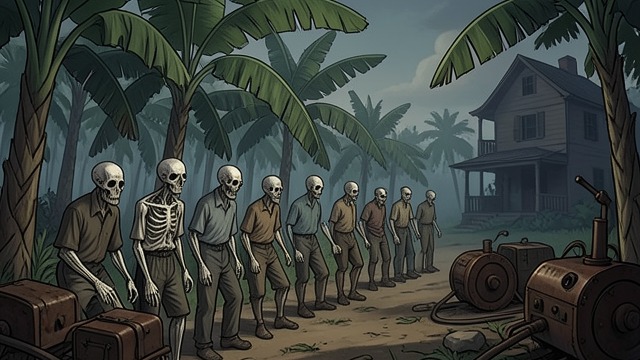
Workers Under the Plantation
Labor without freedom
Peasants are killed and raised as Zombies to harvest bananas for an owner’s profit.
Exploitation made visible
Supernatural horror makes the loss of agency impossible to mistake.
Gabriel’s Lost Security

Gabriel’s Lost Security
Solidarity punished
Gabriel supports older workers and loses a long-term factory job without severance.
Class structure
His story makes economic vulnerability visible in the ordinary world outside the cell.
Molina’s Proposed Rescue
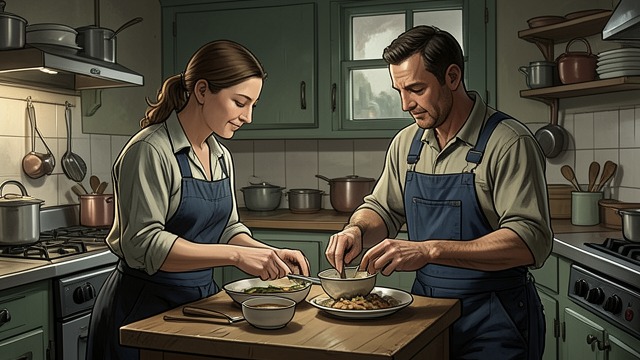
Molina’s Proposed Rescue
Care shaped by class
Molina wants to finance Gabriel’s studies and remove him from precarious work.
Paternalism questioned
Valentin suggests dignity and collective labor organizing, not private rescue, may matter more.
A Rich Heir’s Complicity

A Rich Heir’s Complicity
Privilege confronted
The young revolutionary condemns exploitation yet returns to a family estate built on unequal power.
Contradiction deepens
His inherited wealth cannot be neatly separated from his political identity.
Care Beyond Ownership
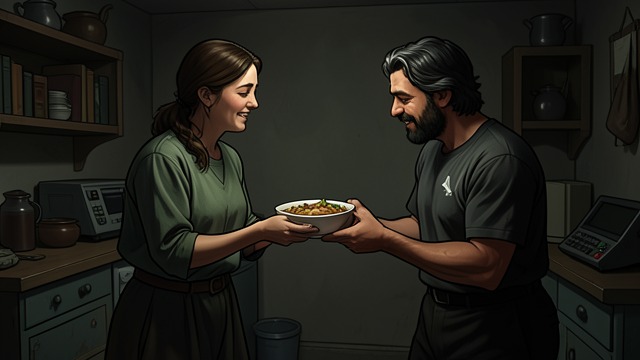
Care Beyond Ownership
Mutual dependence
Molina shares food and care without treating Valentin as a debtor.
Ethical alternative
Their relationship offers a small contrast to the films’ systems of command and exploitation.
in the backstory of the zombie film
in Molina’s account of Gabriel’s employment history
when Molina describes his hopes for Gabriel
during the racing film’s return to the plantation
during the cellmates’ exchange of food and assistance
